UNESCO World Heritage
Alcala de Henares
A historic university city near Madrid, famous for Cervantes, golden sandstone streets, tapas culture, and centuries of Spanish learning.
Historic University
One of Europe’s great centers of learning
Cervantes Heritage
Birthplace of Spain’s most celebrated writer
Easy From Madrid
A rewarding city break without leaving the capital region
Tapas Culture
Historic bars, local wine, and traditional Spanish dishes
Things To Do in Alcala de Henares
Alcala de Henares is one of the most rewarding day trips from Madrid, yet it deserves more than a few rushed hours. This historic city in the Community of Madrid combines a UNESCO-listed old town, a prestigious university, literary heritage, lively squares, and excellent food.
The city is best known as the birthplace of Miguel de Cervantes, the author of Don Quixote. His former home is now a museum, and references to his life and work appear throughout the historic center. Literature lovers will find Alcala especially atmospheric, but the city offers plenty for visitors with no particular interest in books.
A perfect first stop is Plaza de Cervantes, the elegant main square lined with cafés, trees, and historic buildings. From there, visitors can wander into Calle Mayor, one of the longest porticoed streets in Europe, where shops, restaurants, and old stone facades create a timeless atmosphere.
The University of Alcala is another essential highlight. Founded in 1499, it became one of the most influential universities in Europe. Its courtyards, cloisters, and historic lecture halls are beautiful examples of Spanish Renaissance architecture, and guided visits allow travelers to see some of its most important spaces.

Culture
University Visit
Explore courtyards, historic halls, and Renaissance architecture at one of Spain’s most important academic institutions.

Literature
Cervantes Trail
Follow the story of Miguel de Cervantes through his birthplace museum, statues, and historic streets.

Food
Tapas Route
Sample local dishes and wine in traditional bars around Plaza de Cervantes and Calle Mayor.
Visitors should also spend time simply walking. Alcala’s old town rewards slow exploration, with hidden courtyards, churches, convents, and squares that reveal different layers of history at every turn.
Evening is a particularly good time to visit. When day-trippers return to Madrid, the streets become calmer, restaurant terraces fill with locals, and the illuminated historic buildings create a memorable setting for dinner or drinks.
Museums in Alcala de Henares
Alcala de Henares has an impressive cultural scene for a city of its size. Its museums focus on archaeology, literature, religious art, and the history of the university, making it an excellent destination for travelers who enjoy learning while they explore.
The most famous museum is the Casa Museo de Cervantes, located in the building traditionally identified as the writer’s birthplace. Exhibits explore daily life in the sixteenth and seventeenth centuries and provide context for Cervantes’ extraordinary literary legacy.

Literature
Cervantes Birthplace Museum
Discover the world of Miguel de Cervantes through period rooms, exhibits, and literary history.

History
Regional Archaeology Museum
Learn about the region from Roman Complutum to the medieval and modern city through archaeological collections.

Academic
University Heritage
Historic university spaces, libraries, and exhibitions reveal Alcala’s role in European education.
The Archaeological Museum of the Community of Madrid is another major cultural attraction. It presents artifacts from prehistoric times through the Roman era and beyond, helping visitors understand why the area has been important for so many centuries.
Religious buildings also function as living museums. Churches, convents, and chapels contain artwork, architectural details, and stories connected to the city’s long religious and academic history.
Tapas and Restaurants in Alcala de Henares
Food is one of the great pleasures of visiting Alcala de Henares. The city has a lively tapas scene, with traditional bars, modern restaurants, and terrace cafés clustered around the historic center.
Classic Spanish dishes are widely available, including jamón ibérico, tortilla española, croquetas, grilled meats, cheeses, and seasonal vegetables. The region is also known for hearty Castilian cooking, making it a good place to try roasted meats, stews, and traditional desserts.
Alcala’s student population helps keep the food scene varied and affordable. Around Plaza de Cervantes, Calle Mayor, and the streets near the university, visitors can find everything from quick tapas stops to longer meals in elegant dining rooms.
Must Try
Traditional Spanish Plates
Start with jamón, Manchego cheese, olives, and croquetas before moving on to larger dishes such as roast lamb, cocido, or grilled meat.
Pair the meal with Spanish wine, local beer, or a refreshing tinto de verano.
Where To Go
Historic Center
The area around Plaza de Cervantes and Calle Mayor is ideal for an evening of bar hopping and tapas.
Many venues offer a caña and tapa deal, allowing visitors to sample several dishes in one night.
For travelers visiting on a day trip, lunch is an excellent time to enjoy the city’s food culture. Many restaurants offer a menú del día, a fixed-price lunch that often includes several courses, bread, a drink, and dessert.
Those staying overnight should save room for dinner. Alcala becomes especially inviting after sunset, when outdoor tables fill and the historic streets take on a warm, social atmosphere.
Hotels in Alcala de Henares
Alcala de Henares offers a good range of hotels, from polished city-center properties to comfortable business hotels and family-run guesthouses. Staying overnight allows visitors to experience the city after the main crowds from Madrid have gone.
The most convenient hotels are near Plaza de Cervantes, Calle Mayor, and the historic university area. These locations put restaurants, museums, and major sights within easy walking distance.

Comfort
Historic Center Hotels
Choose a hotel near the old town for direct access to tapas bars, museums, and illuminated evening streets.
This is the best option for first-time visitors and travelers without a car.

Value
Modern City Hotels
Hotels slightly outside the historic core can offer larger rooms, parking, and lower prices.
They are a practical choice for business travelers, families, and visitors arriving by car.
Travelers attending events at the university or visiting during festivals should book early. Availability can become limited during graduation periods, conferences, and major cultural celebrations.
For longer stays, serviced apartments and holiday rentals provide extra space and kitchen facilities. They can be especially useful for families or visitors planning several day trips around Madrid.
Hostels and Budget Accommodation
Alcala de Henares is a strong choice for budget travelers because it offers lower accommodation prices than central Madrid while remaining easy to reach by train. Guesthouses, pensions, hostels, and budget hotels provide practical options for short stays.
The best budget locations are within walking distance of the train station or the historic center. Staying near the station is convenient for arrivals and departures, while the old town offers a more atmospheric experience.
Guesthouses
Simple, family-run accommodations often provide good value and a personal welcome.
Shared Rooms
Hostels and shared accommodation can reduce costs for solo travelers and groups.
Flexible Dates
Midweek stays are often cheaper than weekends, especially during university events and holidays.
Budget travelers should compare the total cost, including transport from Madrid-Barajas Airport, luggage fees, and breakfast. A slightly more expensive hotel near the center can sometimes save money by reducing taxi and transport costs.
Because Alcala is popular with students and conference visitors, it is wise to check cancellation policies and book early during busy periods.
Flights to Alcala de Henares
Alcala de Henares does not have its own commercial airport. Most visitors fly into Madrid-Barajas Airport, one of Europe’s major travel hubs, and continue to the city by train, metro, taxi, or private transfer.
Madrid-Barajas is convenient because it offers extensive international and domestic connections. From the airport, travelers can reach central Madrid and then continue by Cercanías train to Alcala, or arrange a direct transfer for greater convenience.
Madrid-Barajas
The main airport for international arrivals and the most practical gateway to Alcala.
Other Madrid Airports
Travelers arriving at smaller airports may need to transfer through Madrid before continuing by rail or road.
Arrival Times
Late-night arrivals may make a pre-booked transfer more convenient than public transport.
When comparing flights, consider the full journey time rather than the airfare alone. A direct flight to Madrid can be more efficient than a cheaper option involving a long layover or a distant arrival airport.
Travelers carrying large luggage or visiting with children may prefer a taxi or private transfer from the airport, especially if arriving outside daytime public transport hours.
Metro and Transport in Alcala de Henares
Alcala de Henares does not have a metro system of its own, but it is exceptionally well connected to Madrid by Cercanías commuter trains. The journey from central Madrid is straightforward, making the city one of the easiest historic escapes from the capital.
The historic center is compact and walkable. Most major attractions, including Plaza de Cervantes, the university, Calle Mayor, and the Cervantes museum, can be reached on foot from the train station in around 15 to 25 minutes.
Train Travel
Cercanías from Madrid
Cercanías trains connect Alcala with Madrid’s main stations, including Atocha and Chamartín. The service is frequent during the day and is one of the most affordable ways to travel.
Check the line and final destination before boarding, as services can vary by time and day.
Local Transport
Buses and Taxis
Urban buses serve neighborhoods and surrounding areas, while taxis are available near the station, main squares, and hotels.
For most visitors, walking is the simplest way to explore the historic center.
Travelers using public transport should keep their ticket or transport card handy for inspection. Contactless payment options and rechargeable travel cards can make journeys around Madrid easier.
For day trips beyond the city, buses and regional trains provide access to Madrid, Guadalajara, and other destinations in central Spain.
Airport to City Centre Transport
Getting from Madrid-Barajas Airport to Alcala de Henares is straightforward. The best method depends on budget, luggage, arrival time, and whether visitors plan to stay overnight or continue to Madrid afterward.
Public Transport
Metro and Train
Travelers can take the Madrid Metro from the airport into the city, then transfer to a Cercanías train toward Alcala de Henares.
This is usually the most economical option, though it requires a transfer and more time than a taxi.
Direct Option
Taxi or Transfer
A taxi or pre-booked private transfer offers the simplest door-to-door journey from Madrid-Barajas Airport to Alcala.
It is especially convenient for families, groups, late arrivals, and travelers with heavy luggage.
Visitors traveling by train should allow enough time for transfers, especially during rush hour. The Cercanías network is reliable, but platforms and connections can take time to navigate on a first visit.
For a smooth arrival, travelers can also take a train from Madrid Atocha or Chamartín after reaching central Madrid. This route combines airport transport with a comfortable rail journey into Alcala.
Day Trips from Alcala de Henares
Alcala de Henares is an excellent base for exploring central Spain. Its position east of Madrid makes it easy to visit the capital, nearby historic towns, natural areas, and other destinations across the Community of Madrid.

City
Madrid
Spain’s capital offers world-class museums, royal palaces, parks, shopping, and an unmatched food scene.
The train connection makes it easy to visit for a day or evening.

History
Toledo
This hilltop city is famous for its medieval streets, cathedral, views, and blend of Christian, Jewish, and Muslim heritage.
It is one of Spain’s most iconic day-trip destinations.

Landmarks
Segovia
Visit the Roman aqueduct, fairytale castle, and historic old town in one of central Spain’s most beautiful cities.
Segovia pairs especially well with a longer stay in the Madrid region.
Closer to Alcala, visitors can explore the Roman ruins of Complutum, which reveal the city’s ancient past. The site provides an interesting contrast to the Renaissance and Golden Age architecture in the historic center.
Guadalajara is another accessible destination, offering historic buildings, museums, and a quieter provincial atmosphere. Travelers with a car can also explore villages, castles, and natural landscapes in the surrounding region.
“Alcala gives you history without the crowds of central Madrid, and the train makes it easy to combine both cities in one trip.”
A frequent visitor to the Madrid region
Weather in Alcala de Henares
Alcala de Henares has a continental Mediterranean climate. Summers are hot and dry, while winters are cool and can feel chilly in the evenings. Spring and autumn are generally the most comfortable seasons for sightseeing.
Summer
June to September
July and August can be very hot, especially in the afternoon. Visitors should plan museum visits, shaded walks, and long lunches during the hottest hours.
Early mornings and evenings are ideal for exploring the historic center.
Best Seasons
Spring and Autumn
April, May, September, and October offer pleasant temperatures and excellent conditions for walking, photography, and outdoor dining.
These seasons also bring colorful light and fewer extreme weather conditions.
Winter visits are quieter and can be atmospheric, though travelers should pack warm layers. Rain is possible at any time of year, so a compact umbrella or waterproof jacket is useful.
For visitors combining Alcala with Madrid, the weather will be broadly similar. Comfortable shoes, sun protection in summer, and layers in winter will make sightseeing more enjoyable.
Car Rental in Alcala de Henares
Car rental is not essential for visiting Alcala de Henares itself, because the historic center is compact and the train connection to Madrid is excellent. However, a car can be useful for travelers planning to explore castles, villages, and natural areas beyond the main rail routes.
Rental cars are available at Madrid-Barajas Airport and at locations across Madrid. Visitors staying several days may find it convenient to pick up a car only for the portion of their trip that requires driving.
Best For Exploring
A rental car is ideal for visiting rural Madrid, Guadalajara, smaller historic towns, and scenic countryside destinations.
Parking Considerations
Parking in the historic center can be limited, so travelers should choose accommodation with parking or use public car parks nearby.
Before renting, check insurance coverage, fuel policy, mileage limits, and whether an international driving permit is required. These details can affect both cost and convenience.
For visitors focused on Alcala and Madrid, public transport is usually easier and more affordable. A rental car becomes more valuable for independent travelers who want flexibility beyond the main cities.
Nightlife in Alcala de Henares
Thanks to its large student population, Alcala de Henares has a lively nightlife scene that extends well beyond dinner. Bars, terraces, music venues, and late-night cafés create a social atmosphere throughout the week.
Nightlife
Student Energy and Historic Squares
The area around Plaza de Cervantes and the university is a natural starting point for an evening of tapas, drinks, and conversation.
Spanish nightlife begins late. Many locals meet for drinks after 9 p.m., and bars can remain busy until well after midnight, particularly on weekends.
Visitors seeking a quieter evening can enjoy a glass of wine in a historic square or a relaxed dinner in a traditional restaurant. The city balances youthful energy with an elegant, historic setting.
Parks and Outdoor Spaces in Alcala de Henares
Alcala de Henares offers several pleasant outdoor spaces where visitors can rest between museums and historic sights. Green squares, riverside paths, gardens, and nearby natural areas provide a refreshing contrast to the city’s stone streets.
The area around the Henares River is ideal for walking, cycling, and enjoying open space. On sunny days, locals use these paths for exercise, picnics, and relaxed afternoons outdoors.

Nature
Riverside Walks
Follow paths beside the Henares River for a peaceful break from the historic center.

Relaxation
Squares and Gardens
Plazas and green spaces provide shaded spots for coffee, people watching, and a pause between attractions.
Travelers who enjoy longer walks can combine a visit to the historic center with a riverside route. This is a good way to see both the city’s cultural landmarks and its more tranquil natural surroundings.
In spring, the surrounding countryside becomes especially attractive, with milder temperatures and greener landscapes. Autumn also offers comfortable conditions for outdoor exploration.
Monuments in Alcala de Henares
Alcala de Henares is rich in monuments, reflecting its importance as a religious, academic, and literary center. Its historic streets contain palaces, churches, convents, university buildings, and civic landmarks from several different periods.
The University of Alcala is the city’s most significant monument. Its historic buildings represent the golden age of Spanish learning and remain central to the city’s identity today.
The Archbishop’s Palace is another important site. It has connections to Spanish history and once played a role in the early years of the university. Its architecture and location make it a key stop in the old town.
Churches and convents add further depth to a visit. Their towers, facades, cloisters, and interiors reveal the city’s religious heritage and provide quiet spaces away from the busiest streets.
Travel Tip
Start at Plaza de Cervantes, walk along Calle Mayor, and finish at the university. This route connects many of the city’s most important monuments in one enjoyable walk.
Cathedrals and Religious Heritage
Alcala de Henares has a strong religious heritage, shaped by centuries of church life, education, and royal influence. While it is not primarily known for a single great cathedral, its churches and religious buildings are among the most atmospheric parts of the city.
The Magistral Cathedral is the city’s principal religious landmark. Its Gothic architecture, historic interior, and connection to the university make it an important stop for visitors interested in sacred architecture and local history.
Convents and chapels throughout the old town add to the spiritual character of Alcala. Some are still active religious communities, while others preserve art, architecture, and traditions from earlier centuries.
Visitors should dress modestly when entering religious buildings and check opening times before visiting. Services, ceremonies, and restoration work can sometimes affect public access.
For travelers interested in Spain’s most famous religious destination, the Cathedral of Santiago de Compostela is farther away, but Madrid’s own churches, basilicas, and religious museums offer additional options for a wider cultural itinerary.
Tourist Hotspots in Alcala de Henares
The main tourist hotspots in Alcala de Henares are concentrated in a compact historic area, making the city easy to explore on foot. Visitors can see major landmarks, enjoy local food, and experience the university atmosphere without needing a car.
Plaza de Cervantes
The lively main square and social heart of the city
Calle Mayor
A historic porticoed street filled with shops and cafés
Historic University
Renaissance architecture and centuries of academic history
Cervantes Museum
The literary heart of the city and a must for book lovers
The Roman ruins of Complutum are another important hotspot for history enthusiasts. They show that the area’s story began long before the university and the age of Cervantes.
For travelers who enjoy atmosphere as much as sightseeing, the best experience comes from wandering without a strict plan. Alcala’s streets, squares, and hidden corners reveal the city’s character gradually.
Free Things To Do in Alcala de Henares
Alcala de Henares offers many excellent free experiences. Visitors can enjoy historic streets, public squares, architectural details, markets, and outdoor spaces without spending money on admission tickets.

Free
Old Town Walks
Wander Calle Mayor, Plaza de Cervantes, and surrounding lanes to admire historic architecture.
Free
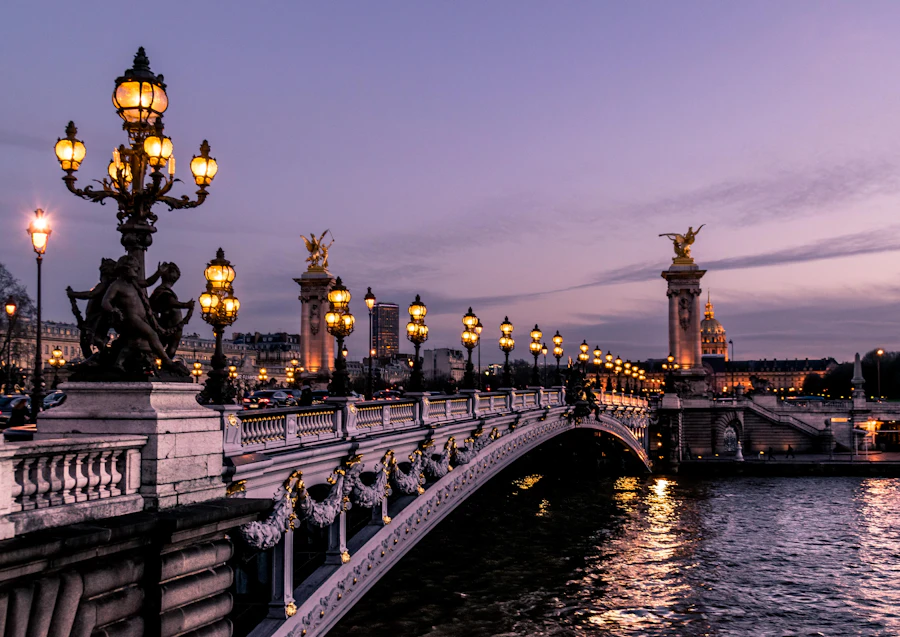
Evening Atmosphere
Enjoy illuminated buildings, lively squares, and the relaxed rhythm of local evening life.

Free
Riverside Strolls
Take a peaceful walk beside the Henares River and enjoy green space away from the main sights.
Free cultural experiences may also include public events, street performances, seasonal markets, and religious celebrations. Checking the local events calendar can add an unexpected highlight to a visit.
For a budget-friendly day, combine a self-guided walking route with a picnic in a park, a visit to public squares, and an evening stroll through the illuminated historic center.
Scams To Avoid in Alcala de Henares
Alcala de Henares is generally safe, but visitors should stay alert in busy areas such as train stations, public squares, markets, and popular nightlife streets. Basic precautions are usually enough to avoid most common travel problems.
Practical Safety Tips
Keep phones, wallets, and bags secure on public transport and in crowded squares. Pickpocketing can occur in busy tourist and commuter areas.
Be cautious around unsolicited assistance at ticket machines or ATMs, and avoid sharing personal or banking details with strangers.
Check prices before ordering in tourist-facing restaurants, especially for market-price seafood or premium drinks.
Use official taxis or reputable transfer services, and keep valuable documents secure but accessible when traveling by train.
Travelers should also be careful with unofficial tour sellers or people offering unusually cheap excursions. Booking through established operators, hotels, or official visitor services is usually safer.
At night, stick to well-lit and populated areas, particularly if returning alone to accommodation outside the historic center.
Why Visit Alcala de Henares
Alcala de Henares offers a rare combination of history, culture, food, and convenience. It has the atmosphere of a great historic Spanish city while remaining close enough to Madrid for an easy day trip or a relaxed overnight stay.
The city appeals to many types of travelers. Literature fans come for Cervantes, history lovers explore Roman ruins and Renaissance buildings, food travelers enjoy the tapas scene, and students bring energy to its squares and bars.
Its UNESCO-listed heritage, walkable streets, and excellent rail links make it one of the most rewarding destinations in the Madrid region. Visitors can experience a different side of Spain without giving up the convenience of the capital.
Literary Heritage
Follow the legacy of Miguel de Cervantes through museums, monuments, and historic streets.
Historic Architecture
University courtyards, churches, palaces, and porticoed streets showcase centuries of Spanish history.
Food and Nightlife
Tapas bars, traditional restaurants, and student energy create a lively social scene.
For travelers seeking culture beyond Madrid’s major museums, Alcala de Henares is an essential addition to any itinerary. Its historic streets, literary heritage, and welcoming atmosphere make it a destination worth slowing down for.
Discover Trusted Services and Local Guides
Explore sponsored resources for property rentals, nightlife, digital marketing, and website performance.
Sponsored
2 Let 2 Cardiff
Find quality Cardiff rental homes with trusted local property support.
Sponsored
Worcester Nightlife
Discover bars, clubs, events, and nightlife across Worcester.
Sponsored
Tune My Website
Improve website speed, SEO, and performance for better results.